 how-to
Emergency AC Repair in Bushnell, FL: What to Do First
Table of Contents
- Emergency AC Repair in Bushnell, FL: First Steps to Take
- Your AC Troubleshooting Checklist Before You Call
- AC Not Cooling in Bushnell, FL? Common Causes
- Air Conditioner Leaking Water Repair: What to Do Now
- AC Repair Cost in Bushnell, FL: What Shapes the Bill
- How Fast Emergency AC Repair Responds in Bushnell
- When to Repair and When to Replace Your Unit
- Frequently Asked Questions
Last Updated: October 19, 2026
Emergency AC Repair in Bushnell, FL: First Steps to Take
When the outdoor heat index climbs past 100°F and your air handler stops, the first hour matters more than the next three days. Emergency AC repair in Bushnell, FL is the service homeowners call when indoor temperatures start rising fast, and the right first move is simple: check the thermostat, the breaker, and the air filter before you dial anyone. This guide from Morgan Home Services walks through what counts as a true emergency, what you can safely inspect yourself, and how to prepare so a technician can fix the problem on the first visit.
Central Florida summers do not offer a grace period. A unit that quits at 2 p.m. can leave a bedroom above 85°F by evening, and heat like that is a genuine health risk for infants, older adults, and anyone with heart or breathing conditions. The CDC heat and health guidance is clear that indoor heat exposure deserves the same seriousness as outdoor exposure.
Below, we break down the exact sequence to follow, so you are not guessing while the house gets hotter.
When a Breakdown Counts as an Emergency
A breakdown is an emergency when indoor temperature is climbing quickly, someone in the home is medically vulnerable, or the system is leaking water into living space. A unit that stops cooling but still blows air is urgent, not necessarily an emergency. A tripped breaker you can reset once is neither.
Use this rule of thumb. If you can keep the house below 80°F with fans and closed blinds, you can schedule same-day service. If you cannot, or if a resident has heat sensitivity, treat it as an emergency and call immediately.
Your AC Troubleshooting Checklist Before You Call
Run this checklist in order. It takes about ten minutes and gives the technician real information when you call.
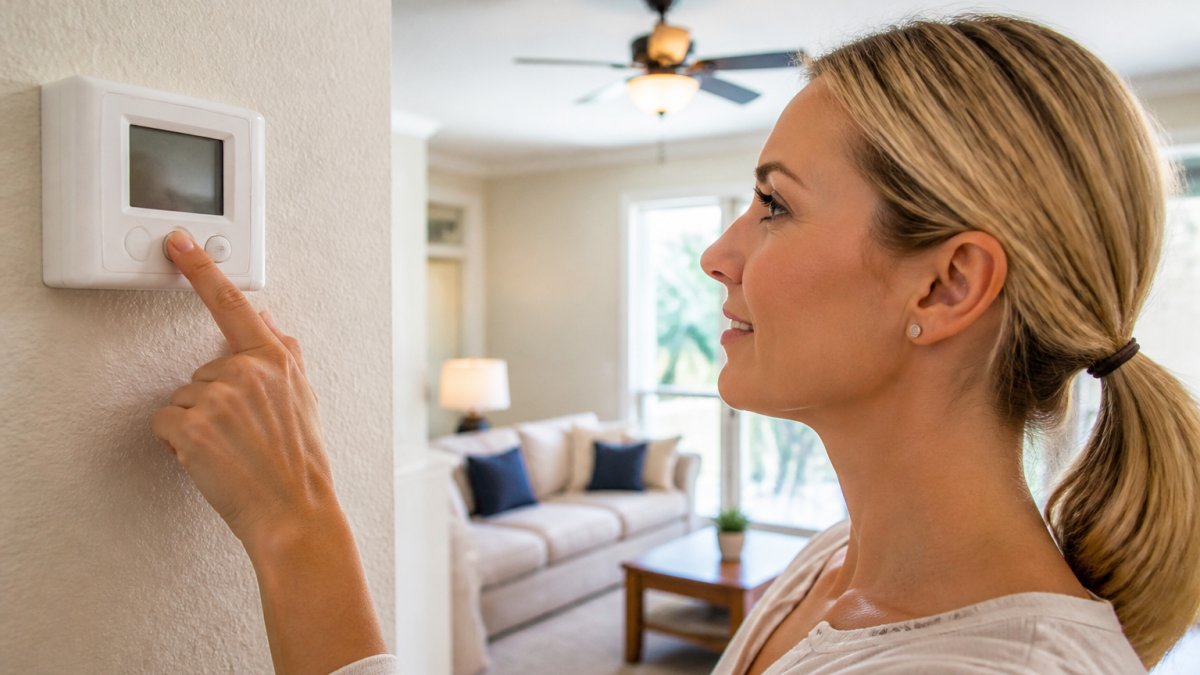
- Confirm the thermostat is set to COOL, not FAN, and the setpoint is at least 5°F below room temperature
- Replace the thermostat batteries if the display is blank or dim
- Check the indoor breaker panel for a tripped switch and reset it once
- Check the outdoor disconnect box near the condenser for a tripped breaker
- Pull the air filter and hold it up to the light; replace it if you cannot see through it
- Confirm the outdoor condenser is not buried in debris, grass clippings, or a closed fence panel
- Look for standing water near the indoor air handler
- Note the indoor temperature and the time you first noticed the problem
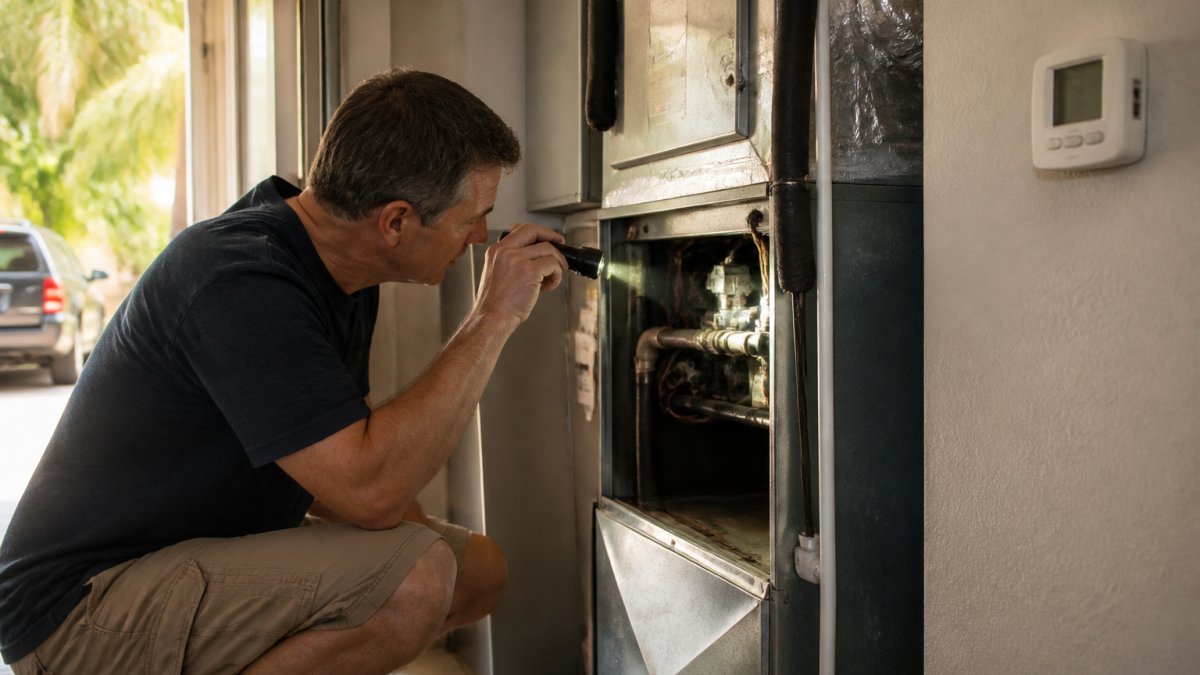
What You Can Safely Check Yourself
The safe checks are the ones that involve no tools beyond a screwdriver and no contact with refrigerant lines or electrical components. Thermostat settings, breakers, filters, and outdoor clearance all fall in that group.
What you should not touch: the capacitor, the contactor, refrigerant valves, or any wiring inside the cabinet. Those components hold a charge even with the power off, and refrigerant work requires a licensed technician under EPA Section 608 refrigerant handling rules.
One common mistake we see is a homeowner resetting the same breaker three or four times in an hour. If a breaker trips twice, stop. Something is drawing too much current, and repeated resets can damage the compressor.
AC Not Cooling in Bushnell, FL? Common Causes
When an AC runs but does not cool, the cause usually falls into one of five buckets: low refrigerant from a leak, a failing capacitor, a clogged filter or evaporator coil, a dirty outdoor condenser, or a compressor that is on its way out. Each has a different repair path and a different cost profile.
Low refrigerant is the one homeowners misdiagnose most often. Adding refrigerant without finding the leak is a temporary patch. A proper repair locates the leak, fixes it, and recharges to the manufacturer's spec.
The other four causes are more straightforward. A weak capacitor is a quick swap. A clogged filter is a filter change. A dirty condenser coil is a cleaning. Compressor failure is the expensive one, and it is where the repair-versus-replace decision starts to matter.
Air Conditioner Leaking Water Repair: What to Do Now
Water around the indoor air handler almost always traces to a blocked condensate drain line, a clogged drain pan, or a frozen evaporator coil that is melting. Shut the system off at the thermostat and the breaker, then clear the standing water before it reaches drywall or flooring.
The fastest field fix is the drain line. Find the PVC line exiting the air handler, locate the cleanout tee, and check for a clog. A wet-dry vacuum on the outdoor end of the line clears many blockages. If the pan itself is full and the line is clear, the coil is likely frozen, which points to airflow or refrigerant trouble.
Air conditioner leaking water repair on a system that has been running hard for weeks often reveals a second problem: a filter that has not been changed in months. Restricted airflow freezes the coil, the coil melts, and the pan overflows. Fix the filter along with the drain.
AC Repair Cost in Bushnell, FL: What Shapes the Bill
Pricing for emergency AC repair depends on the diagnosis, the parts required, and the time of day. We do not quote a flat number here because a capacitor swap and a compressor replacement are not the same job, and any provider who quotes one price before seeing the system is guessing.
What drives the bill:
- Diagnostic visit: a trip charge plus diagnostic time
- Parts: capacitors and contactors are inexpensive; compressors and coils are not
- Refrigerant: priced by the pound, and the amount depends on the leak and system size
- After-hours timing: evenings, weekends, and holidays typically carry a premium
- Access: attic air handlers and tight closet installs take longer than a garage unit
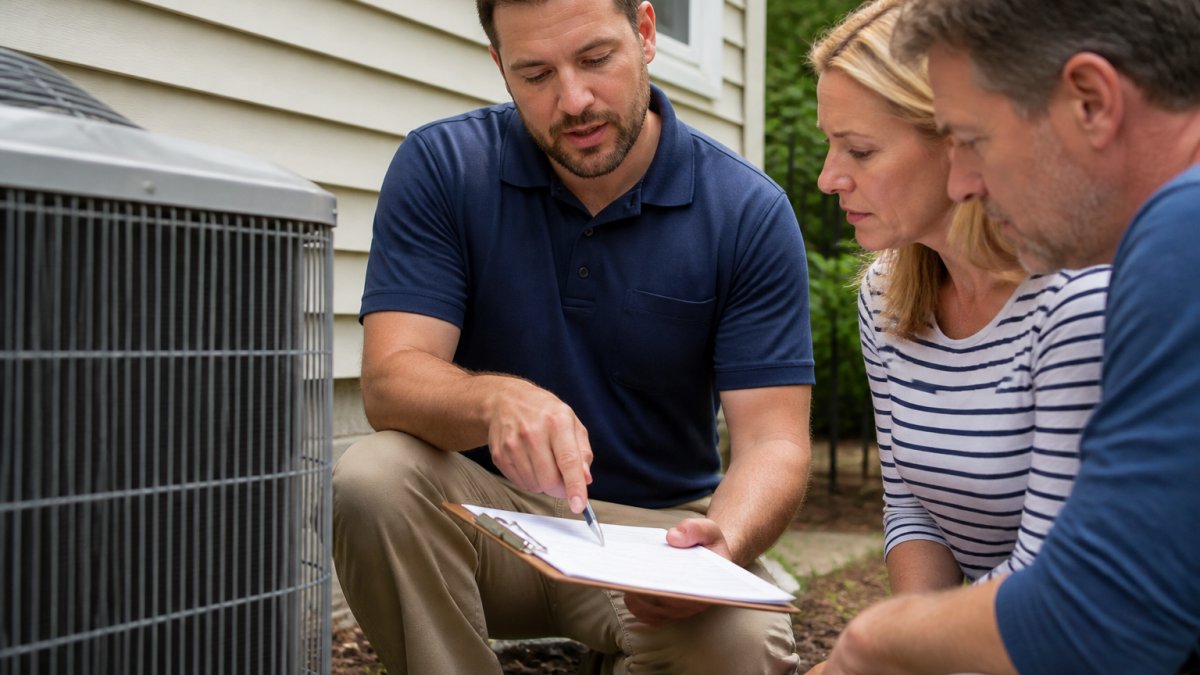
Ask for the diagnostic fee, the parts estimate, and the labor estimate separately before work begins. A provider who will not break those out is a provider to skip. For current rates, contact our team for a written estimate.
How Fast Emergency AC Repair Responds in Bushnell
Response time depends on how the call is dispatched and where the technician is coming from. In practice, a well-run local provider in Bushnell can often reach a home the same day, and priority calls for vulnerable residents or active water damage move to the front of the queue.
Two things slow response down: calling a national dispatch line that routes to a subcontractor, and calling after the problem has been ignored for a day. The earlier you call, the more options the dispatcher has.
When you call, have the checklist results ready. Tell the dispatcher the indoor temperature, what you already checked, and whether anyone in the home is heat-sensitive. That information moves your call up the list.
Morgan Home Services has served Bushnell and the surrounding area for over 20 years, and our emergency HVAC service is built around showing up when we say we will.
When to Repair and When to Replace Your Unit
Repair wins when the system is under 12 years old, the repair is a single component, and the refrigerant circuit is intact. Replace wins when the compressor has failed on an aging system, when refrigerant leaks keep returning, or when the repair cost approaches a meaningful share of a new install.
The 12-year mark is not arbitrary. Equipment in Central Florida runs long cooling seasons, and a system past that age is on borrowed time. A $400 capacitor on a 10-year-old unit is an easy yes. A compressor replacement on a 16-year-old unit is usually money that belongs toward a new system.
Financing changes the math. Morgan Home Services offers financing through Synchrony, which lets a homeowner spread a replacement over time instead of facing the full cost at once. Ask about the terms in writing before you sign anything.
Frequently Asked Questions
What should I do if my AC stops working in Bushnell, FL?
Check the thermostat first: make sure it is set to cool, the fan is on auto, and the batteries are fresh. Then check the air filter and the outdoor disconnect switch. If the unit still will not run, turn the system off at the thermostat and call for emergency AC repair. In a Central Florida summer, indoor temperatures can climb fast, so if anyone in the home is elderly, very young, or has health issues, treat it as urgent and call right away rather than waiting.
What can I safely check before calling an AC technician?
Stick to the safe items on an AC troubleshooting checklist: thermostat settings and batteries, a clogged air filter, tripped breakers at the panel, the outdoor disconnect switch, and whether the condensate drain line is clogged. Never open the electrical panel on the unit, touch refrigerant lines, or try to clean the coils yourself. If those basic checks do not restore cooling, stop and call a licensed technician so you do not risk injury or further damage.
Should I turn off my AC if it is leaking water?
Yes. Turn the system off at the thermostat and, if you can reach it safely, at the breaker. A leaking unit can damage ceilings, drywall, and flooring, and standing water near electrical components is a hazard. A common cause is a clogged condensate drain line, which an air conditioner leaking water repair visit can clear quickly. If the leak is near an electrical outlet or the water is pooling, keep clear of the area and call for service.
How much does emergency AC repair cost in Bushnell, FL?
There is no single figure, because AC repair cost in Bushnell, FL depends on the fault, the parts needed, and whether the call is after hours. A clogged drain line or a failed capacitor is a very different job from a compressor or refrigerant leak. Ask for a clear estimate before any work starts so you know what you are approving. Morgan Home Services provides upfront estimates and offers financing options through Synchrony for larger repairs.
When the house is heating up and the clock is against you, the difference between a rough night and a quick fix comes down to who answers the phone. Morgan Home Services provides emergency HVAC service across Bushnell and the surrounding area, backed by over 20 years in business, comprehensive warranties on our work, and financing through Synchrony for larger repairs and replacements. Reach out now and get a technician scheduled with a clear estimate before work begins.