 ultimate-guide
HVAC Warranty Coverage: What's Actually Included
Table of Contents
- What HVAC Warranty Coverage Actually Includes
- HVAC Parts Warranty: What You Need to Know
- HVAC Labor Warranty: Who Pays for Service
- HVAC Warranty Exclusions: What's Not Covered
- HVAC Warranty Registration: Protecting Your Coverage
- Manufacturer Warranty vs. Labor Warranty: Key Differences
- How to Verify Your HVAC Warranty Status
- Frequently Asked Questions
Last Updated: October 18, 2026
What HVAC Warranty Coverage Actually Includes
Understanding what's actually covered under your HVAC warranty is one of the most important decisions you'll make when investing in a new system. At Morgan Home Services, we've spent over 20 years helping homeowners in Bushnell, Ocala, and the surrounding areas navigate warranty terms.
HVAC warranty coverage typically falls into two distinct categories: parts coverage and labor coverage. Parts warranties protect you if components fail due to manufacturing defects, while labor warranties cover the cost of a technician's time to repair or replace those parts. The distinction matters enormously when something goes wrong.
Most manufacturers offer between one and ten years of parts coverage, depending on the component and the system brand. Labor warranties vary more widely and often depend on who installed your system and whether you've maintained it properly. Registration is frequently required to activate full coverage, yet many homeowners skip this critical step entirely.
HVAC Parts Warranty: What You Need to Know
Your HVAC parts warranty is your protection against manufacturing defects in the equipment itself. When a compressor fails prematurely or a heat exchanger develops a crack due to a manufacturing flaw, your parts warranty covers the cost of the replacement unit. This is separate from labor, the warranty pays for the part, not the technician who installs it.
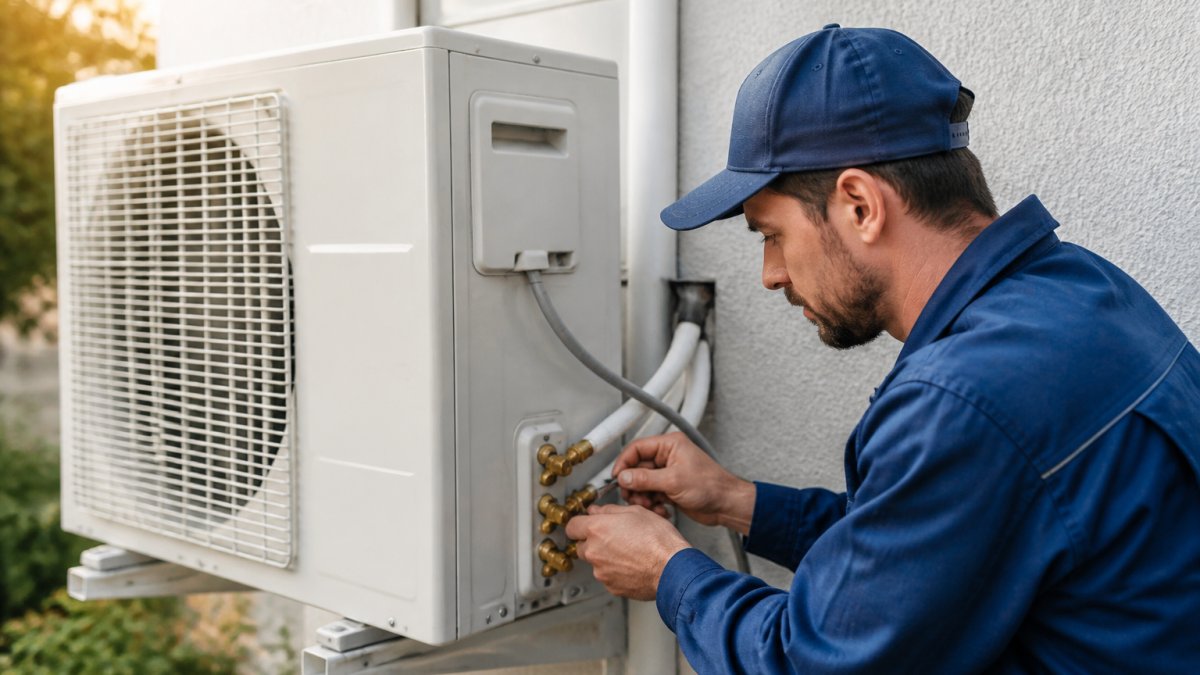
Most residential HVAC systems come with a standard five-year parts warranty from the manufacturer. Higher-end systems or extended coverage plans may offer ten years or more on certain components. The length of coverage depends on the brand, the specific component, and whether you purchased an extended warranty at installation.
Compressor Coverage
The compressor is the heart of your air conditioning system. It's also one of the most expensive components to replace. A compressor failure can be expensive just for the part itself, which is why compressor coverage is critical.
Most manufacturer warranties cover the compressor for five years from the installation date. Some premium brands or extended plans extend this to ten years. However, compressor coverage often comes with conditions. The system must have been installed by a licensed professional, regular maintenance must have been performed, and the failure must be due to a manufacturing defect, not wear and tear, improper installation, or lack of maintenance.
If your compressor fails outside the warranty period, you're paying for a replacement yourself.
Heat Exchanger and Other Components
Your heat exchanger transfers heat between refrigerant and air. It's essential for both heating and cooling, and it's expensive to replace. Most manufacturers warranty the heat exchanger for the same duration as the compressor, typically five to ten years.
Other major components covered under parts warranties usually include the condenser coil, evaporator coil, and blower motor. Minor components like capacitors, contactors, and relays are typically covered as well. However, the coverage period for these smaller parts may be shorter than for major components. Always check your specific warranty document to understand which parts are covered and for how long.
HVAC Labor Warranty: Who Pays for Service
Labor warranty coverage determines who pays the technician's time when a covered component fails. This is where many homeowners get caught off guard.
Labor warranties typically come from your installation contractor, not the manufacturer. When you hire Morgan Home Services to install your system, we provide labor warranty coverage as part of our installation agreement.
Some contractors offer one-year labor warranties as standard. Others provide five years or more, especially if you purchase a service plan or extended warranty. The key is understanding what your specific installer promised.
If your system fails during the labor warranty period and the failure is covered under the manufacturer's parts warranty, the contractor should replace the part at no charge to you. If the labor warranty has expired but the parts warranty hasn't, you pay for labor but not the part.
HVAC Warranty Exclusions: What's Not Covered
Understanding what's excluded from your warranty is just as important as knowing what's included. Warranty exclusions are where most homeowners encounter problems. A comprehensive-sounding warranty can become nearly worthless once you understand what's actually excluded.
Maintenance and Routine Service
This is the biggest exclusion that catches homeowners off guard. Your warranty does not cover routine maintenance. Annual inspections, filter changes, refrigerant top-ups, and system tune-ups are your responsibility, not the manufacturer's or installer's. These are considered normal operating costs of owning an HVAC system.
More importantly, failure to maintain your system can void your warranty entirely. Most manufacturers require annual professional maintenance to keep the warranty valid. If you skip maintenance for two or three years and then a compressor fails, the manufacturer can deny your claim because you didn't hold up your end of the agreement.
This is why service plans are valuable for homeowners in Ocala and Bushnell. A service plan ensures you're getting the required maintenance while protecting your warranty coverage.
Environmental and Usage-Related Damage
Your warranty does not cover damage caused by environmental factors or improper use. If your outdoor unit is damaged by a storm, flood, or extreme weather, that's not covered. If someone physically damages the system, that's not covered. If you use the system in a way the manufacturer didn't intend, running it in extreme heat or cold, for example, damage from that use isn't covered.
Refrigerant leaks due to corrosion or age are typically not covered either. Refrigerant loss is considered a maintenance issue, not a manufacturing defect. If your system is losing refrigerant, it means there's a leak somewhere. Finding and fixing that leak is your responsibility.
Damage from improper installation also voids coverage. This is why hiring a licensed, experienced contractor matters. If an unlicensed installer makes a mistake, the manufacturer can deny your warranty claim because the system wasn't installed according to specifications.
HVAC Warranty Registration: Protecting Your Coverage
Many homeowners make a critical mistake: they fail to register their warranty. Registration isn't optional if you want full coverage. Most manufacturers require registration within 30 days of installation to activate the complete warranty.
Registration is usually simple. Your installer should provide you with a warranty registration card or direct you to the manufacturer's website. You'll need the serial number of your equipment and the installation date. It takes ten minutes, but it's essential.
Keep your warranty documentation in a safe place. You'll need it if a component fails and you want to file a claim. Without proof of registration and the original warranty document, manufacturers can deny claims. Digital copies are helpful, but originals are better. Store them with your homeowner documents.
Some manufacturers now offer extended warranties beyond the standard coverage. These can be purchased at installation or sometimes within a specific window afterward.
Manufacturer Warranty vs. Labor Warranty: Key Differences
These two warranties operate independently, and understanding the difference prevents costly confusion.
Manufacturer warranty covers defective parts. It's issued by the equipment manufacturer and is the same regardless of who installed your system. A Carrier compressor has the same warranty whether Morgan Home Services installed it or another contractor did. This warranty is typically five to ten years for major components.
Labor warranty covers the cost of installation or repair work. It's issued by your contractor, not the manufacturer. Morgan Home Services provides labor warranty coverage as part of our installation service, but another contractor's labor warranty is different from ours.
When a component fails during both warranty periods, the manufacturer covers the part and your contractor covers the labor. When only the parts warranty is active, you get the part free but pay for labor. When only the labor warranty is active, you pay for the part but labor is free.
This is why the contractor you choose matters.
How to Verify Your HVAC Warranty Status
Knowing what you're covered for means nothing if you don't know whether your warranty is still active. Verifying your coverage is straightforward but requires your original documentation.
First, locate your warranty paperwork. This should include the manufacturer's parts warranty document and your contractor's labor warranty agreement. If you've lost these, contact Morgan Home Services or whoever installed your system.
Second, verify the installation date. Your warranty coverage starts from this date, not from the date you purchased the system. Many homeowners are confused about when their warranty began.
Third, check whether you registered your warranty with the manufacturer. If you're unsure, visit the manufacturer's website and search for your system's serial number. Most manufacturers have online registration verification tools.
Finally, understand what you're covered for. Review your warranty document and identify which components are covered, for how long, and what conditions must be met. If anything is unclear, contact your contractor.
Your HVAC warranty is only valuable if you understand it. When you're ready to discuss your warranty or need professional service, reach out to our team, we're here to ensure your HVAC system stays protected and running efficiently.
Frequently Asked Questions
What does a standard HVAC warranty cover?
A standard HVAC warranty typically covers manufacturer defects in parts like the compressor, condenser coil, and heat exchanger for 5-10 years. Labor coverage usually lasts 1-2 years and covers the cost of technician time to repair or replace covered parts. Coverage excludes routine maintenance, refrigerant, and damage from improper installation or lack of maintenance. The exact scope depends on the manufacturer and whether you registered the system.
Does HVAC labor warranty coverage include all repair work?
Labor warranty covers technician costs to repair or replace parts that fail due to manufacturing defects. It does not cover emergency service calls, routine maintenance visits, or repairs needed because of user neglect, improper installation, or damage from external causes like storms or accidents. Always check your warranty document to confirm which specific repairs are included.
What voids an HVAC warranty?
Common warranty voids include failure to register the system, skipping scheduled maintenance, improper installation by unlicensed contractors, using non-approved refrigerant, damage from power surges or weather events, and modifications to the system. Neglecting filter changes or annual tune-ups is a frequent cause of warranty denial. Keep all service records and follow the manufacturer's maintenance schedule to protect your coverage.
How long does HVAC warranty registration take, and why is it required?
Registration typically takes 10-15 minutes online or by mail. Manufacturers require registration to activate full coverage, track the system, and verify proper installation. Without registration, you may lose coverage entirely or have it reduced to a shorter period. Keep your registration confirmation and original installation documentation for warranty claims.
Are refrigerant leaks covered under HVAC warranty?
Refrigerant itself is rarely covered by warranty, and leaks caused by normal wear or improper maintenance are typically excluded. However, if a manufacturing defect in a component like the condenser coil causes a leak, the part replacement may be covered under parts warranty. Labor to repair the leak is usually covered during the labor warranty period, but you may pay for the refrigerant recharge.
What is the difference between manufacturer warranty and contractor labor warranty?
Manufacturer warranty covers defects in the HVAC equipment itself and typically lasts 5-10 years on parts. Contractor labor warranty covers the cost of technician time to repair covered parts. You need both to be fully protected: manufacturer coverage handles equipment failures, while labor coverage protects you from service costs during the early years.
Does HVAC warranty cover routine maintenance like filter changes?
No. Routine maintenance such as filter replacement, coil cleaning, and annual inspections is not covered by warranty. However, performing scheduled maintenance is often a requirement to keep your warranty valid. Skipping maintenance can void coverage, so budget for regular tune-ups separate from warranty protection.