 ultimate-guide
Commercial HVAC Maintenance Contract Tips: 2026 Guide
Table of Contents
- What a Commercial HVAC Maintenance Contract Should Cover
- Commercial HVAC Maintenance Schedule and Frequency
- Commercial HVAC Service Contract Template and Key Clauses
- Commercial HVAC Preventive Maintenance Checklist
- Commercial HVAC Maintenance Contract Pricing Models
- How to Evaluate and Compare Commercial HVAC Maintenance Proposals
- Common Mistakes in Commercial HVAC Maintenance Contracts
- Frequently Asked Questions
Last Updated: October 11, 2026
What a Commercial HVAC Maintenance Contract Should Cover
A commercial HVAC maintenance contract outlines what your contractor will inspect, maintain, and repair, defining which equipment gets serviced, how often, and what's included in your fee.
The contract should specify whether it covers routine inspections, emergency repairs, parts replacement, or combinations thereof. Many facility managers discover too late that their "comprehensive" agreement excludes the rooftop unit or backup system.
Scope of work and covered equipment
List every piece of equipment covered: rooftop units, split systems, air handlers, condensing units, ductwork, thermostats, and supplemental systems. Include model numbers, locations, and serial numbers.
Clarify labor responsibilities: who replaces filters, handles refrigerant charges, capacitor replacements, and coil cleaning? Distinguish between preventive maintenance tasks (included) and billable repairs (charged separately). Many contracts cap parts coverage at a dollar amount per visit.
Labor, materials, and parts responsibilities
Clarify parts coverage: some contracts include parts up to a cost threshold; others charge for anything beyond routine consumables. Confirm whether the contractor supplies parts from inventory or bills at cost plus markup, and request estimates before ordering expensive components.
Specify labor rates: standard hours, after-hours rates, and emergency premiums. Document whether travel time is billable and confirm guaranteed response times for emergencies.
Commercial HVAC Maintenance Schedule and Frequency
A well-designed maintenance schedule prevents breakdowns during peak seasons and catches problems early when repairs are cheaper.
Seasonal inspection and adjustment protocols
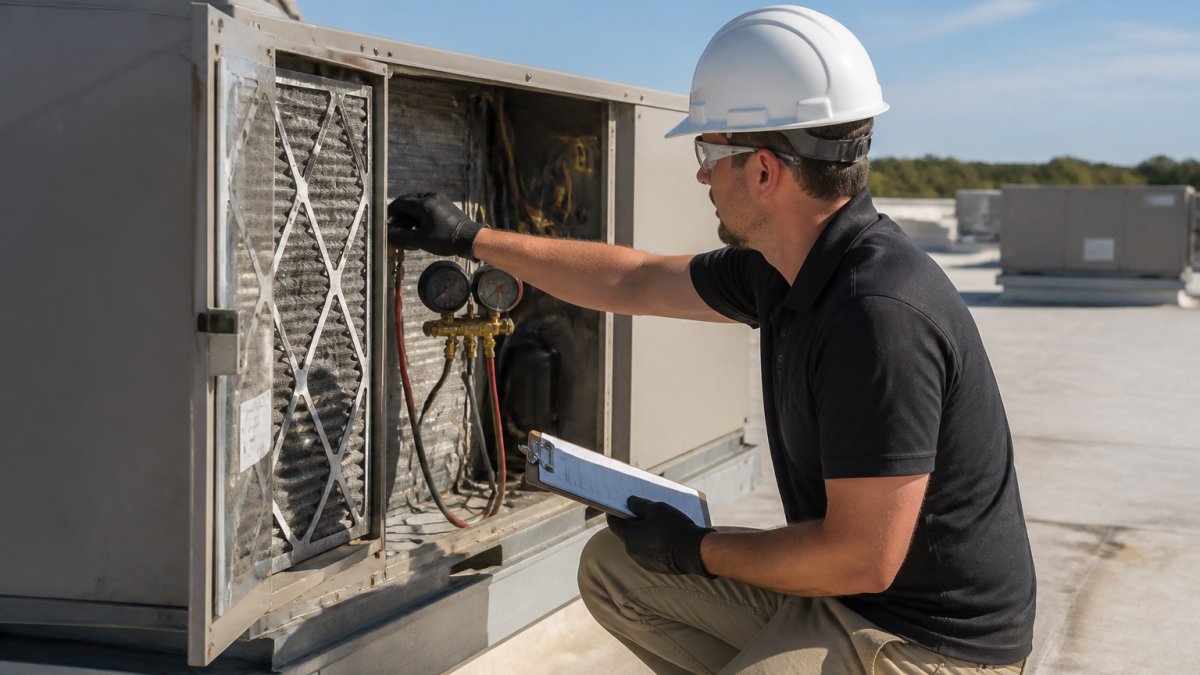
Most commercial systems need four seasonal checks: spring (cooling readiness, coil cleaning, refrigerant charge, condenser fan) and fall (heat exchanger integrity, burner operation, fuel supply) plus two mid-season touchups.
Mid-season visits catch problems from heavy use: filter replacement, thermostat calibration, and performance trending prevent costly downtime.
Equipment-specific service intervals
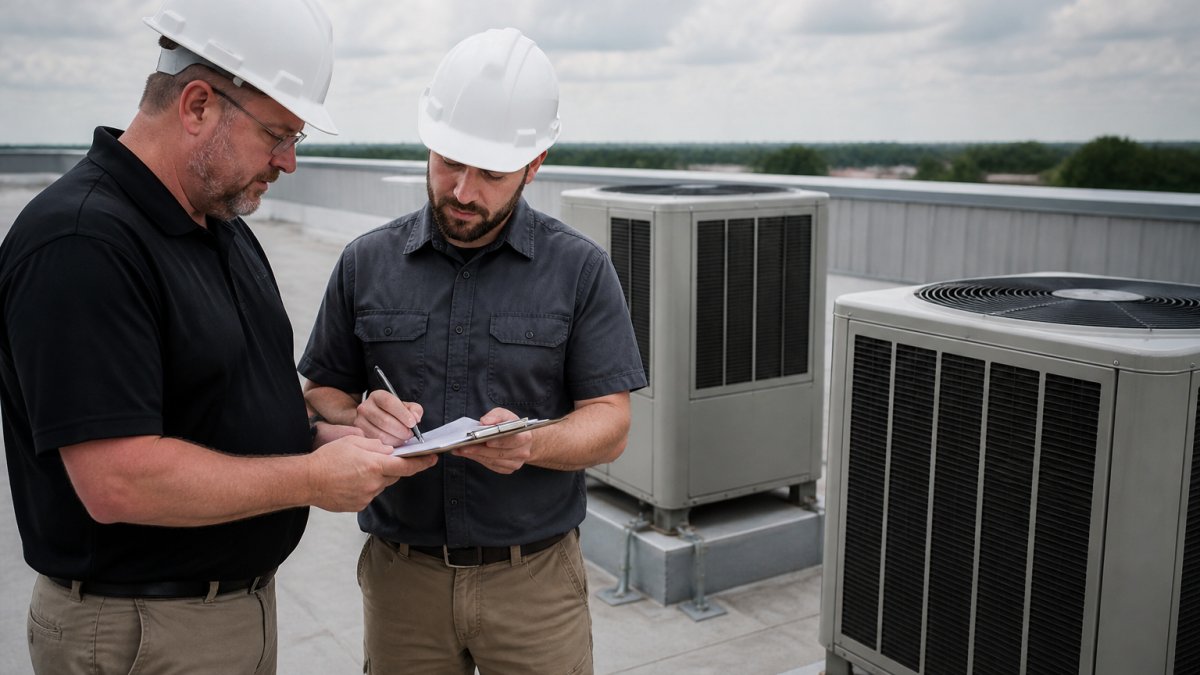
Rooftop units need quarterly inspections; split systems may need semi-annual service. Variable refrigerant flow systems require more frequent monitoring. Specify intervals for each major component: compressors, fans, motors, and controls.
Intervals depend on building type: hospitals with 24/7 demand need more frequent service than offices; data centers require constant monitoring. Your contractor should recommend intervals based on your equipment and building profile.
Commercial HVAC Service Contract Template and Key Clauses
A solid contract template includes specific language around duration, renewal, cancellation, emergency service, and response times. These clauses protect both you and your contractor by setting clear expectations.
Contract duration, renewal, and cancellation terms
Most contracts run one to three years. Shorter terms offer flexibility but higher per-month pricing; longer terms lock in rates but reduce switching ability. Specify renewal process: automatic with cancellation notice or manual renewal required.
Cancellation clauses should require 30-60 days' notice or allow immediate exit if the contractor misses visits or fails emergency response timeframes. Document warranty implications if you cancel early.
Exclusions, emergency service, and response time commitments
Define what qualifies as an emergency and charges. Specify response times: "within 4 hours" or "same-day" with clear business hours versus after-hours definitions.
Exclusions should cover misuse, neglect, unauthorized repairs, power surges, water intrusion, and natural disasters unless covered by separate rider. Clarify coverage for seasonal shutdowns.
Commercial HVAC Preventive Maintenance Checklist
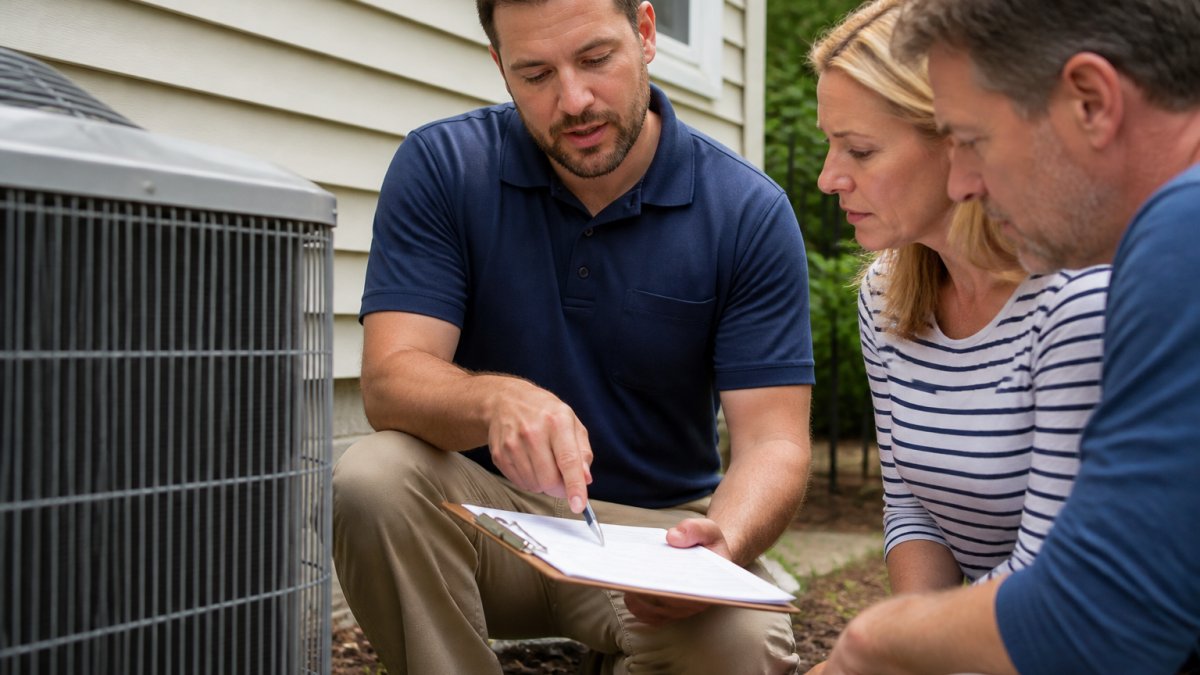
A preventive maintenance checklist ensures consistency across service visits and helps you verify the contractor completed the work promised. Morgan Home Services uses detailed checklists to document every inspection, so you have a record of what was checked and when.
Monthly and quarterly inspection tasks
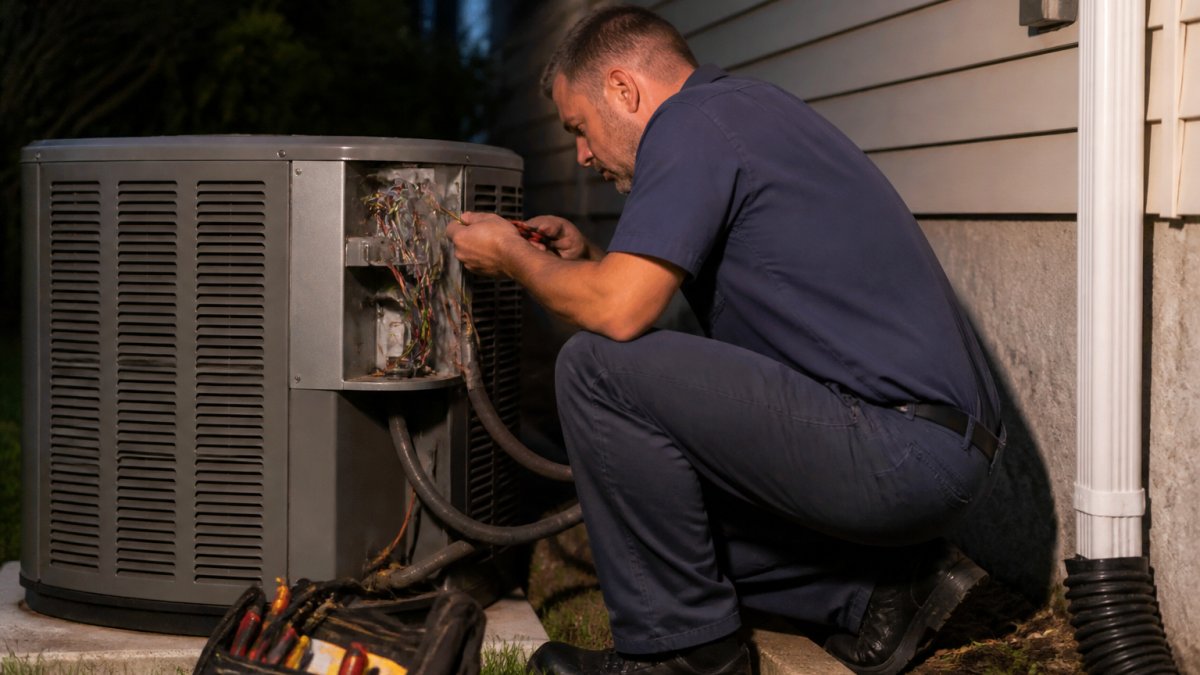
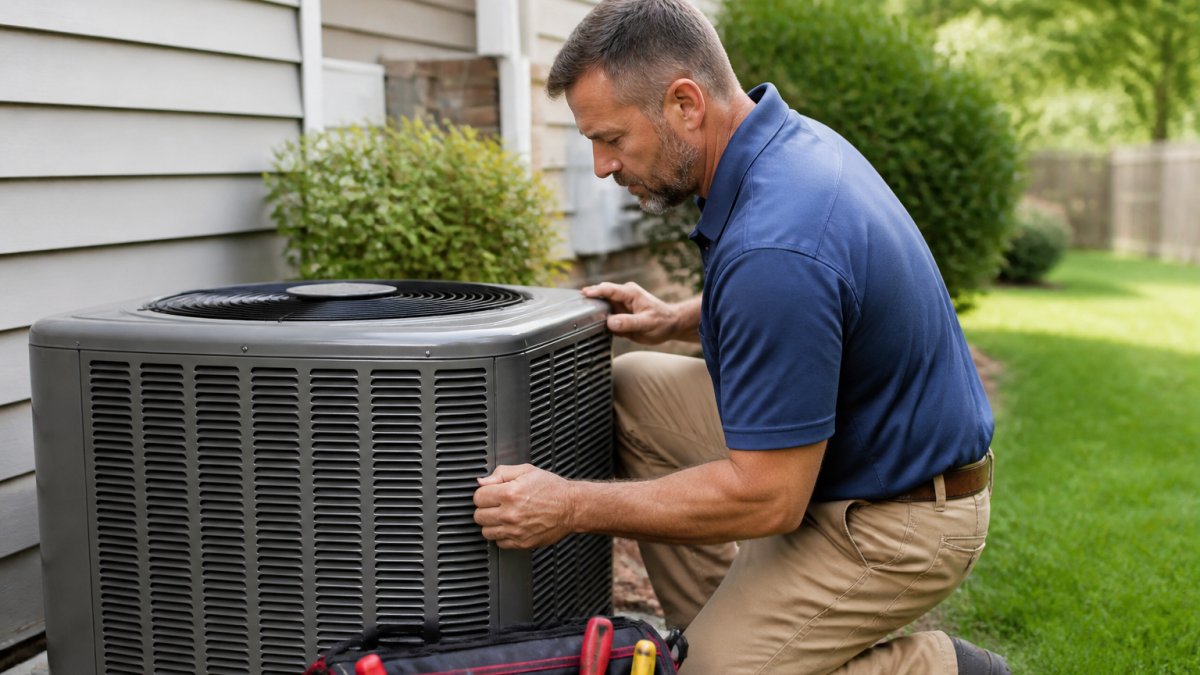
Monthly tasks typically include visual inspection of equipment for leaks, unusual noise, or corrosion; filter inspection and replacement if needed; thermostat operation verification; and condenser coil visual check for debris.
Documentation matters. Your contractor should provide a report after each visit listing what was inspected, what was cleaned or adjusted, and what parts were replaced. These records become your proof that maintenance occurred and help identify patterns, if the same component fails repeatedly, the root cause may be elsewhere.
Annual deep-service items and documentation
Annual service includes comprehensive testing: full system performance analysis, combustion efficiency testing for heating systems, refrigerant system diagnostics, and electrical system evaluation. Many contractors include coil cleaning, blower wheel cleaning, and condenser cleaning as annual items.
Documentation should include before-and-after performance metrics: system pressures, temperatures, airflow rates, and efficiency readings. This creates a baseline you can reference if problems develop.
Commercial HVAC Maintenance Contract Pricing Models
Pricing structures vary widely. Understanding the model helps you compare proposals fairly and predict your annual costs.
Fixed monthly fees versus tiered pricing structures
Fixed monthly fees are predictable: you pay the same amount each month regardless of what work is done. This model works well if your systems are reliable and need only routine maintenance.
Some contractors use hybrid models: a base monthly fee for routine maintenance plus additional charges for emergency calls, parts beyond a certain threshold, or specialized services.
Payment terms and estimate transparency
Payment terms should be documented: net 30 is standard, though some contractors offer discounts for annual prepayment. Will the contractor provide a free estimate before performing emergency repairs, or do you authorize work up to a certain amount?
Ask about pricing transparency during the contract period. Will rates increase annually? Many contracts include a cost-of-living adjustment (COLA) clause, typically 2-3% per year. Clarify whether this applies to parts, labor, or both.
How to Evaluate and Compare Commercial HVAC Maintenance Proposals
When comparing proposals from different contractors, look beyond price. Service level, contractor experience, and contract terms all affect the value you receive.
Comparing scope, service levels, and contractor credentials
Request proposals from at least three contractors. Each proposal should detail the scope of work, service frequency, response time commitments, and pricing. Compare what's included: does one contractor include parts while another charges separately?
Check contractor credentials: licensing, insurance, and industry certifications. Ask how long they've served commercial clients and request references from similar buildings. A contractor with 20 years in commercial HVAC has seen more problems than one with two years.
Red flags in contracts and what to negotiate
Red flags include vague language ("as needed" instead of specific frequencies), unlimited price increases without caps, automatic renewal with short cancellation windows, or exclusions that seem to cover most of your equipment.
Watch for liability limitations. Some contractors limit their liability to the monthly fee, if their negligence causes a system failure costing thousands, you're limited to recovering one month's payment.
Common Mistakes in Commercial HVAC Maintenance Contracts
Many facility managers make predictable errors when signing maintenance agreements. Understanding these mistakes helps you avoid them.
Underestimating scope leads to gaps in coverage. Signing a contract that covers your main rooftop unit but excludes backup systems or zone handlers leaves you vulnerable.
Failing to document maintenance creates disputes. If the contractor claims they performed service but you have no record, you have no use.
A well-constructed commercial HVAC maintenance contract protects your equipment investment and ensures reliable performance year-round. At Morgan Home Services, we work with property managers and facility teams to develop maintenance agreements that align with your building's needs and budget. Reach out to discuss a maintenance contract tailored to your commercial property.
| Contract Element | What to Specify | Why It Matters |
|---|---|---|
| Covered Equipment | List model numbers and locations of all units | Prevents disputes about what's included |
| Service Frequency | Seasonal visits, monthly/quarterly checks | Ensures consistent preventive maintenance |
| Labor Rates | Standard hours, after-hours, emergency premiums | Prevents surprise charges for emergency calls |
| Parts Coverage | Included consumables vs. billable repairs | Clarifies your out-of-pocket costs |
| Response Times | Specific hours and timeframes for emergencies | Guarantees service availability when needed |
| Price Increases | Annual COLA cap (e.g., 3% maximum) | Protects you from runaway costs at renewal |
| Cancellation Terms | Notice required, conditions for early exit | Gives you flexibility if service declines |
| Documentation | Written reports after each service visit | Creates proof of maintenance performed |
According to ASHRAE maintenance guidelines, commercial HVAC systems require documented preventive maintenance to maintain warranty coverage and system reliability. A maintenance contract that includes regular inspections, documented service records, and clear response commitments aligns with industry best practices and protects your equipment investment.
The International Facilities Management Association recommends that facility managers compare at least three maintenance proposals before selecting a contractor, evaluating not just price but scope, credentials, and service level commitments.
Research from building maintenance industry standards shows that commercial facilities with documented preventive maintenance contracts experience 25-35% fewer emergency repairs and system failures than those relying on reactive repair-only arrangements.
Frequently Asked Questions
What should a commercial HVAC maintenance contract include?
A strong commercial HVAC maintenance contract specifies the covered equipment (rooftop units, heating and cooling systems, blowers, capacitors), service frequency, scope of work (inspection, filter replacement, coil cleaning, refrigerant charge checks), labor and materials costs, parts responsibilities, response times for emergency service, contract duration, renewal terms, and clear exclusions. It should also define billable work outside the agreement and include documentation requirements for compliance and audit purposes.
How often should commercial HVAC equipment be serviced?
Most commercial HVAC systems require preventive maintenance twice yearly: once before cooling season and once before heating season. Rooftop units and larger commercial equipment may need quarterly inspections. High-use facilities or equipment in harsh environments may require monthly checks. Your commercial HVAC maintenance schedule should align with your building's specific equipment type, age, usage patterns, and manufacturer recommendations to prevent unexpected failures.
How do you price a commercial HVAC maintenance contract?
Commercial HVAC maintenance contract pricing typically uses fixed monthly fees, tiered pricing based on equipment complexity, or per-visit charges. Factors include equipment type and quantity, service frequency, geographic location, contractor overhead, and included parts. Transparent pricing models show base service costs, parts markups, and emergency service rates separately. Request detailed estimates from multiple contractors so you can compare scope, labor rates, and material costs side by side before signing.
What is usually excluded from an HVAC maintenance agreement?
Most commercial HVAC maintenance contracts exclude major repairs (compressor replacement, system overhaul), upgrades or modifications, damage from neglect or misuse, and refrigerant replacement beyond routine top-ups. Emergency service outside business hours may carry additional fees. Contractor-caused damage and pre-existing defects are typically not covered. Always review exclusions carefully and ask your contractor to clarify what triggers billable work outside the maintenance plan.
Should a commercial HVAC maintenance contract include emergency service?
Yes, emergency service should be included or clearly defined. Many contracts offer after-hours and weekend emergency response at a premium rate or as part of a higher-tier agreement. Define response time commitments (e.g., 2-hour response during business hours) in writing. Specify whether emergency calls are billed separately or rolled into your annual maintenance cost. This protects you from unexpected downtime and ensures your contractor prioritizes your facility when failures occur.
How long should a commercial HVAC maintenance agreement last?
Most commercial HVAC maintenance agreements run 12 months with automatic renewal unless cancelled in writing. Some contractors offer multi-year discounts (2-3 years). Shorter terms (6 months) may apply to new equipment or trial periods. Include a 30-60 day cancellation clause to allow flexibility if service quality declines. Review renewal terms annually to ensure pricing remains competitive and service levels meet your facility's needs.
How do you compare commercial HVAC maintenance proposals?
Request detailed proposals from at least three contractors. Compare scope of work (which equipment is covered), service frequency, labor rates, parts and materials costs, emergency response times, contract duration, and warranty coverage. Check contractor credentials, licensing, and references. Look for transparency in pricing and clear definitions of what is and is not included. Avoid the lowest bid if scope is unclear; focus on value and contractor reliability over price alone.
What documentation should be kept for a commercial HVAC maintenance contract?
Maintain records of all scheduled maintenance visits, including dates, work performed, parts replaced, technician names, and hours worked. Keep copies of inspections, filter replacement logs, refrigerant charge records, and any emergency service calls. Store these records for audit purposes and to track equipment performance trends. This documentation supports warranty claims, helps identify recurring issues, and demonstrates compliance if your facility undergoes regulatory inspections.